Merkur Casino Leeds Brings Poker Back to the Table After Years of Closure
Cameron Baumann · Sep 16, 2026

Merkur Casino Leeds Brings Poker Back to the Table After Years of Closure
The UK arm of Merkur Group completed its acquisition of the former Victoria Gate Casino in July 2026, rebranding the venue as Merkur Casino Leeds while moving forward with plans to restore its poker facilities. This development stands out because many operators across major markets have scaled back or eliminated dedicated poker rooms in recent years, yet the Leeds site is preparing to welcome players once again. The property originally opened with a 100-capacity poker room in 2017, but that section closed around the time COVID-19 restrictions took hold and remained dormant under prior ownership.
Steps Toward Reopening
Preparations gained momentum after Merkur relaunched poker operations at its Casino MK location in May 2026, giving the operator recent experience with dealer recruitment, table management, and compliance procedures. Now the focus has shifted to Leeds, where the company is actively advertising for poker dealers to staff the revived room. Those hires will support a return to live play at a venue that had recorded substantial financial losses before the change in ownership, and the timing aligns with broader efforts to refresh the site following the July 2026 transaction.
Industry observers tracking venue-level decisions note that restoring the poker offering requires coordination across staffing, equipment, and scheduling, especially when a room has sat unused for several years. The Leeds property therefore represents a practical test of whether demand exists to sustain regular tournaments and cash games in a post-pandemic environment where many other locations have trimmed similar offerings.
Context Within Industry Patterns
While some markets have seen poker rooms close, Merkur Casino Leeds is proceeding with its own timeline. Reports from the Las Vegas area, for instance, have documented multiple closures in recent periods, according to data compiled by the American Gaming Association. Those shifts have occurred amid changing player preferences and rising operational costs, yet the Leeds reopening illustrates that operators in different regions continue to evaluate poker as a viable component of their floor plans when local conditions support it.
One study of gaming trends released by researchers at the University of Nevada, Las Vegas highlighted how venue operators weigh foot traffic, staffing availability, and regulatory requirements before committing resources to poker. The findings suggest that decisions often hinge on site-specific factors rather than a uniform industry direction, which helps explain why Merkur has chosen to invest in Leeds even as other properties have reduced poker footprints.
Operational Background and Transition
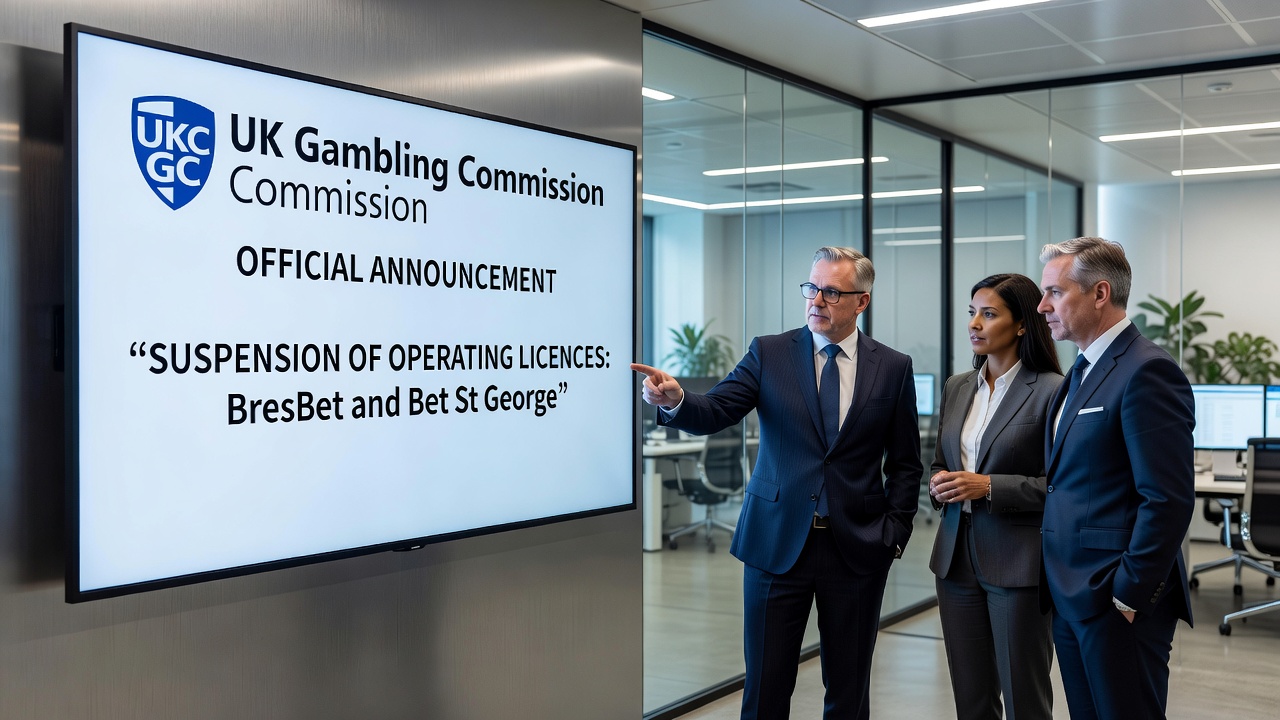
The venue had encountered regulatory licence suspensions related to anti-money laundering procedures and governance matters during the previous ownership period, alongside ongoing financial pressures that affected day-to-day operations. After the July 2026 acquisition, the new management team has concentrated on bringing the poker room back online, building on the experience gained from the earlier Casino MK relaunch. Advertising for dealers signals that the project has moved beyond planning stages into active recruitment, a step that typically precedes the setting of opening dates and the finalization of game schedules.
Those who have followed similar transitions at other UK sites point out that dealer training and table configuration can take several weeks once staff are in place, particularly when equipment has remained unused. The Leeds room, originally designed for up to 100 players, will likely see a phased return that begins with limited hours before expanding based on attendance. This measured approach mirrors the sequence Merkur followed at Casino MK earlier in 2026.
Looking Ahead
By September 2026 the dealer recruitment process remains underway, and updates on the exact reopening date have yet to be confirmed publicly. The project continues to draw attention because it runs counter to the pattern of poker room reductions observed in places such as Las Vegas, where operators have cited shifting demand and cost considerations. Merkur’s dual-site strategy, with poker now active at Casino MK and advancing at Leeds, provides a concrete example of how one operator is allocating resources in the current climate.
Conclusion
The acquisition and subsequent preparations at Merkur Casino Leeds demonstrate how ownership changes can lead to renewed investment in specific amenities like poker. While broader market data from sources including the American Gaming Association and academic reviews from the University of Nevada, Las Vegas, illustrate ongoing adjustments across the sector, the Leeds venue is following its own timetable rooted in recent operational successes at Casino MK. The coming months will show whether the restored room attracts sufficient play to maintain momentum.